Steel Ball Run: The Epic Anime Saga and Streaming Controversy

Editor 06 Apr, 2026 ... min lectura

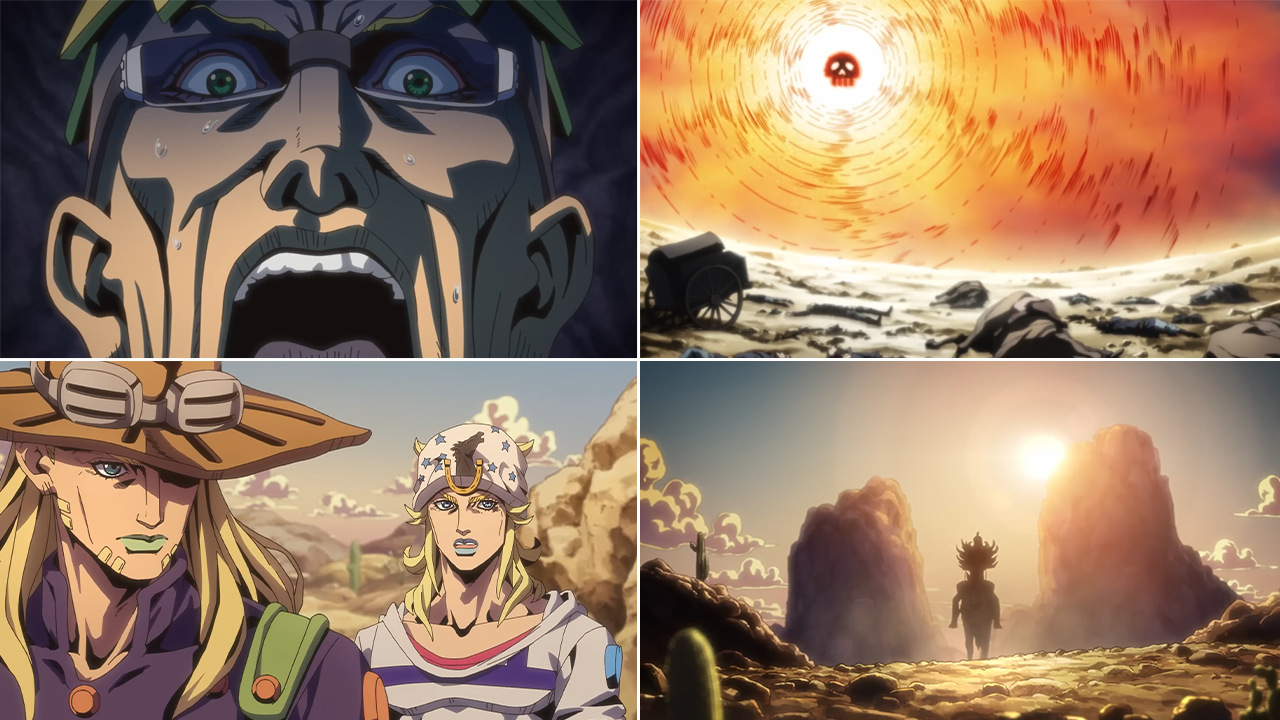
The anticipation surrounding the 'Steel Ball Run' adaptation of JoJo's Bizarre Adventure has evolved into a significant cultural phenomenon, touching upon the worlds of anime, streaming services, and social media discourse. This saga is not merely an episodic release; it represents a deep dive into complex narrative structures that continue to provoke strong reactions from its fanbase and the platforms hosting the content.

A major development confirmed by Netflix Anime is the streaming schedule for the series' second stage. The announcement indicates that the second stage of the 'Steel Ball Run: JoJo’s Bizarre Adventure' anime will be released weekly on Netflix, commencing in the fall of 2026. This future release promises an ongoing narrative experience for viewers, solidifying the adaptation's place within the broader landscape of serialized anime content.

The synchronization between the fictional world and real-world media consumption is evident in the persistent social media presence surrounding the adaptation. Gizmodo reports that the visual representation of Johnny Joestar with his Mangekyo Sharingan eyes has become inescapable on social media for recent weeks. This inescapable imagery generates intense discussion, drawing engagement from both dedicated JoJo’s Bizarre Adventure fans and a wider audience unfamiliar with the source material.

However, this engagement is not uniformly positive. A notable tension exists between the creative output of the anime adaptation and the management of the streaming service itself. The Niner Times article explores the reasons behind the frustration among anime fans regarding how Netflix has handled the 'Steel Ball Run' series. This suggests a disconnect between audience expectations for quality and the actual delivery mechanism.

The friction points often stem from narrative pacing, character development fidelity, or the overall presentation of the adaptation on the platform. When high-expectations are not met, frustration naturally escalates, leading to public commentary directed at the service provider. This dynamic highlights the growing importance of E-E-A-T principles in media production—not just the quality of the art, but the trustworthiness of the delivery system.

Furthermore, the broader context involves the relationship between anime fandom and corporate entities like Netflix. The dissatisfaction expressed by fans regarding the 'mishandling' of the series points toward a larger issue concerning how massive intellectual properties are adapted, managed, and monetized across different media formats. This involves complex negotiations between creators, distributors, and audiences.

Looking ahead to the fall of 2026, the weekly streaming on Netflix will offer a sustained opportunity for viewers to explore the intricate lore of 'Steel Ball Run.' The ongoing controversy surrounding the series' management suggests that future iterations will likely focus intensely on bridging the gap between artistic vision and commercial execution. The saga continues to influence discussions about media responsibility and audience trust in the digital age.

The commitment to a weekly release schedule, while exciting for fans, also places immense pressure on Netflix to maintain consistent narrative quality across its anime offerings. This ongoing dialogue ensures that the 'Steel Ball Run' phenomenon remains relevant, pushing for better stewardship of these elaborate fictional worlds in the future.